

Moving overseas is very exciting, but it can also be overshadowed by all the logistics you have to think about. It’s different from planning a simple international trip: the visas are more complex, you need to find a place to live, and you might be moving a lot of your existing belongings over with you.
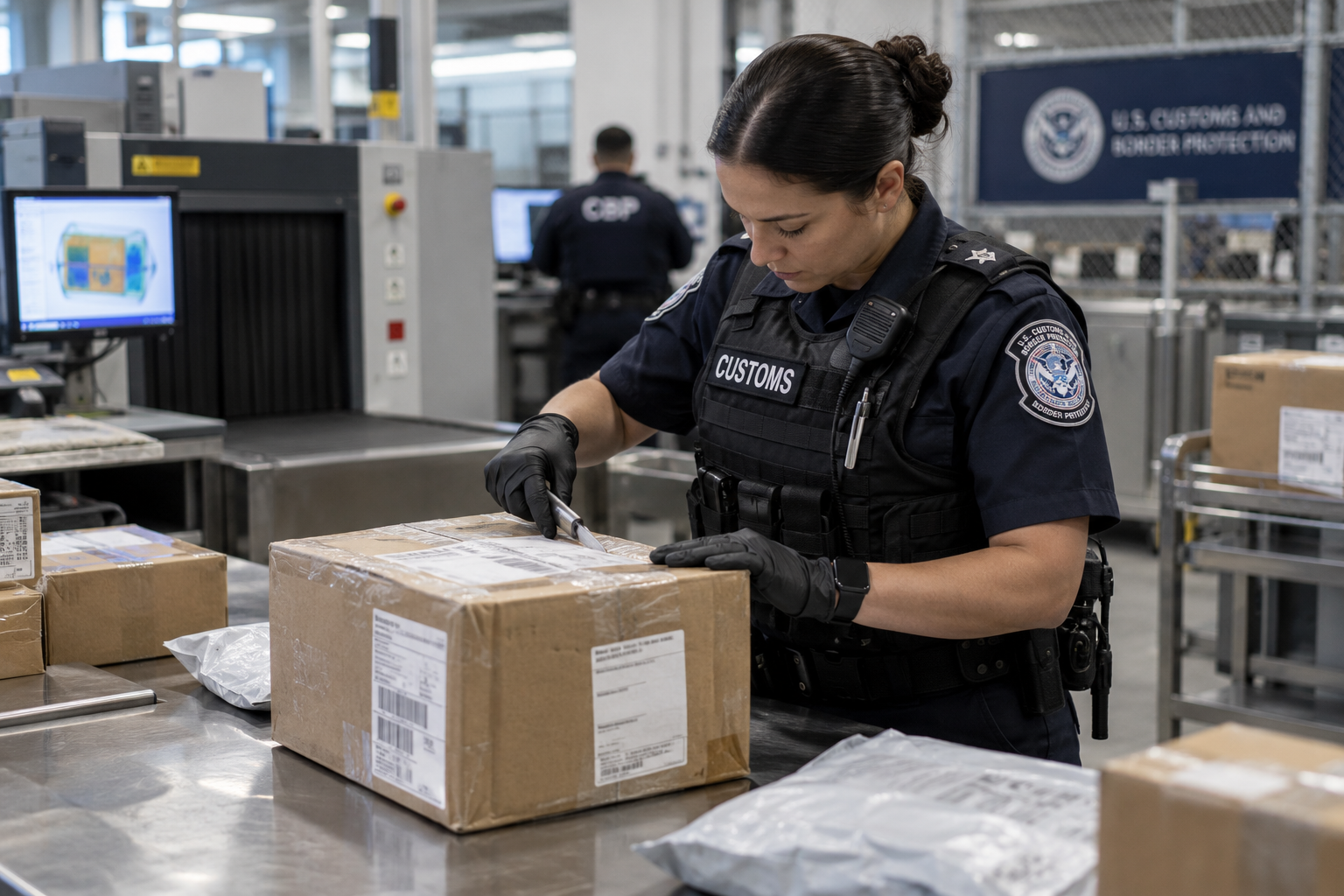
It’s those belongings that can introduce a few interesting questions at the border. Depending on where you are moving overseas, you will have to navigate a unique set of customs and duty rules.
We want to help you understand those rules when moving overseas. As an international moving company, we’re not quite like other moving companies. Lots of companies handle domestic moves, but we can also provide immigration assistance for anyone moving overseas to destinations including Australia, the United States, the United Kingdom, Canada or Asia, to name a few.
What is customs duty, and does it apply to you?
When physical goods cross an international border, they sometimes incur what’s called a ‘duty’. That’s a tax on any items that have been imported into a particular country.
You might have paid duty on something you imported to New Zealand before, usually a purchase from a business. For commercial imports, paying a duty is quite normal. But for your personal belongings, the picture might be different depending on the country you’re moving to.
Most countries don’t charge moving companies – and thus, don’t charge you – any extra money to move your own belongings across the border. This is called ‘duty-free entry’, and it’s an exemption from duties on household goods and personal belongings. That exemption usually depends on whether or not you can prove that you plan to live in the new country long-term.
That means you need qualifying documents, including proof of your visa status, and a declaration that what you’re moving is genuinely yours. In some countries, you might also have to prove that you’ve been living outside of the country you’re moving to for a minimum amount of time before the exemption applies.
When in doubt, the key thing to hold onto is this: if you’re moving overseas, most personal effects are duty-free if you plan to live in your destination country for a significant amount of time. If you’re moving something for your business, that is a different story, and customs duty will apply for importing those commercial goods. As an international moving company, we will help you navigate this as part of moving overseas.
What do you need to do from a customs perspective?
If you are moving overseas with an international moving company, then you’ll need to sort things out from both ends: New Zealand and your destination country. Our team will provide you with assistance in both cases, ensuring your items can leave New Zealand safely and touch down in your new home without issue.
NZ Customs doesn’t typically charge you anything when moving overseas. That said, you do need to declare a few things. If you’re shipping anything worth over $1,000 in total value, then you might need to work with your international moving company to complete what’s called an ‘export entry’. Most of the time, we can handle that too.
Biosecurity is the most important piece of the puzzle. There are certain things that aren’t allowed to leave New Zealand, especially things that contain biological material. Think soil, plant matter, untreated timber products, and animal products. As your moving company, we’re across these requirements and can help you assess whether you’re ready to move.
Every country has a unique set of rules, and we can’t cover them all here. Moving overseas is a big job, but it’s easier to narrow down the requirements when you search for your particular destination country. Let’s look at some of the most common.
United States
The USA requires a CBP Form 3299 (Declaration for Free Entry of Unaccompanied Articles) for personal effects arriving ahead of or separately from you. To qualify for duty-free entry of household goods, you must be able to show that you’re establishing US residency and that you owned and used your things prior to arriving.
Prohibited and restricted items for import into the USA include fresh fruit and vegetables, certain plant and wood products, soil, some animal products, specific medications, and firearms without the appropriate licensing.
United Kingdom
If you are a resident of New Zealand moving overseas to the UK, you can apply for a Transfer of Residence (ToR) relief, which allows household goods and personal belongings to be imported duty- and VAT-free, provided you meet the qualifying conditions: you must have been living outside the UK for at least 12 months, and the goods must have been owned and used by you for at least six months prior to importation.
Australia
It’s quite common for Kiwis to move to Australia. The Australian Border Force (ABF) allows returning residents and new migrants to import household goods duty-free, provided the goods were owned and used by you for at least 12 months prior to import.
Like New Zealand, Australia has some very strict biosecurity rules, which means moving overseas with a moving company is manageable if your team know what they’re doing. Even though New Zealand also has strict biosecurity concerns, Australia’s are slightly different, so different things can trigger their rules. Hiking gear, garden tools, and sports equipment are all commonly flagged categories.
To make a long story short, moving overseas with an international moving company is easy when you know the right customs and duty rules. Research your particular destination, lean on your moving company’s immigration assistance, and make sure you’re all squared away before you take to the skies.
Need assistance moving overseas?
The Moving Company is a team that specialises in helping people just like you move overseas. No matter where you are moving internationally, we can assist
Get in touch with us today for a free moving quote.